

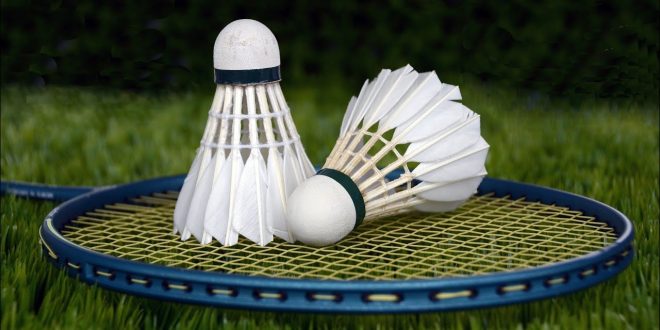
Badminton is a racket sport that demands speed, agility, and strategy. Played both individually and in doubles, it is enjoyed worldwide, ranging from recreational amateurs to professional levels. Its simple equipment requirements and appeal to all age groups have made badminton a widely popular sport. This article covers the history, rules, benefits, and professional aspects of badminton.
What is Badminton?
Badminton is a sport played between two individuals (singles) or two-person teams (doubles). The objective is to use the racket to hit the shuttlecock into the opponent’s court while preventing them from scoring points. Its fast pace helps players enhance their reflexes and overall fitness.
The History and Origins of Badminton
- History and Evolution
Badminton traces its origins to a 19th-century game called “Poona” played in India. British officers introduced the game to England, where it evolved, and modern rules were established. The International Badminton Federation (IBF) was founded in 1934, and badminton was officially included in the Olympics in 1992 at the Barcelona Games.
- Global Popularity
Badminton is particularly popular in Asian countries like China, Indonesia, India, and Malaysia, as well as in Europe. World Championships and Olympic Games continue to drive the sport’s international growth.
How is Badminton Played?
- Basic Rules
- Court and Net: The court is 13.4 meters long and 6.1 meters wide, with the net positioned at a height of 1.55 meters at the center.
- Scoring: A set is won by the first player or team to reach 21 points (with at least a two-point lead). Matches are typically played in a best-of-three format.
- Service: Players serve diagonally, and the shuttlecock must cross the net without touching it to land in the opponent’s court.
- Equipment
- Racket: Made from lightweight and durable materials, professional rackets are designed to enhance control and speed.
- Shuttlecock: Typically made of plastic or feathers, its aerodynamic design allows for rapid movement.
Techniques in Badminton
- Basic Shots
- Forehand and Backhand: Essential techniques for effective shuttlecock handling in various positions.
- Smash: A powerful shot that sends the shuttlecock swiftly into the opponent’s court.
- Drop Shot: A soft shot aimed just over the net to create a challenging position for the opponent.
- Strategy and Tactics
Badminton demands not only physical speed but also strategic thinking. Analyzing an opponent’s weaknesses and positioning effectively are critical for success.
Health Benefits of Badminton
Badminton offers numerous physical and mental health advantages:
- Cardiovascular Health: Its high-paced nature strengthens the heart.
- Muscle and Bone Strength: Quick movements help build stronger muscles and bones.
- Coordination and Reflexes: Enhances hand-eye coordination and quick decision-making.
- Stress Relief: Its enjoyable and social aspects provide mental relaxation.
Professional Badminton and Tournaments
Badminton has grown into a significant professional industry, with tournaments worldwide offering players opportunities to showcase their talent. Some of the most prestigious events include:
- All England Badminton Championships: The oldest badminton tournament in the world.
- Olympic Games: Olympic badminton matches represent the pinnacle of competition.
- BWF Tournaments: Organized by the Badminton World Federation, these are critical for professional players.
This content was prepared by the KimdirKim.com team.
For more information about badminton or resources to get started, feel free to reach out to us! 😊


